Petra Hartmann · 19 October 2026
Shifts in Leisure Facility Usage Patterns Among Households in Emerging Suburban Settings Such as Kenvale
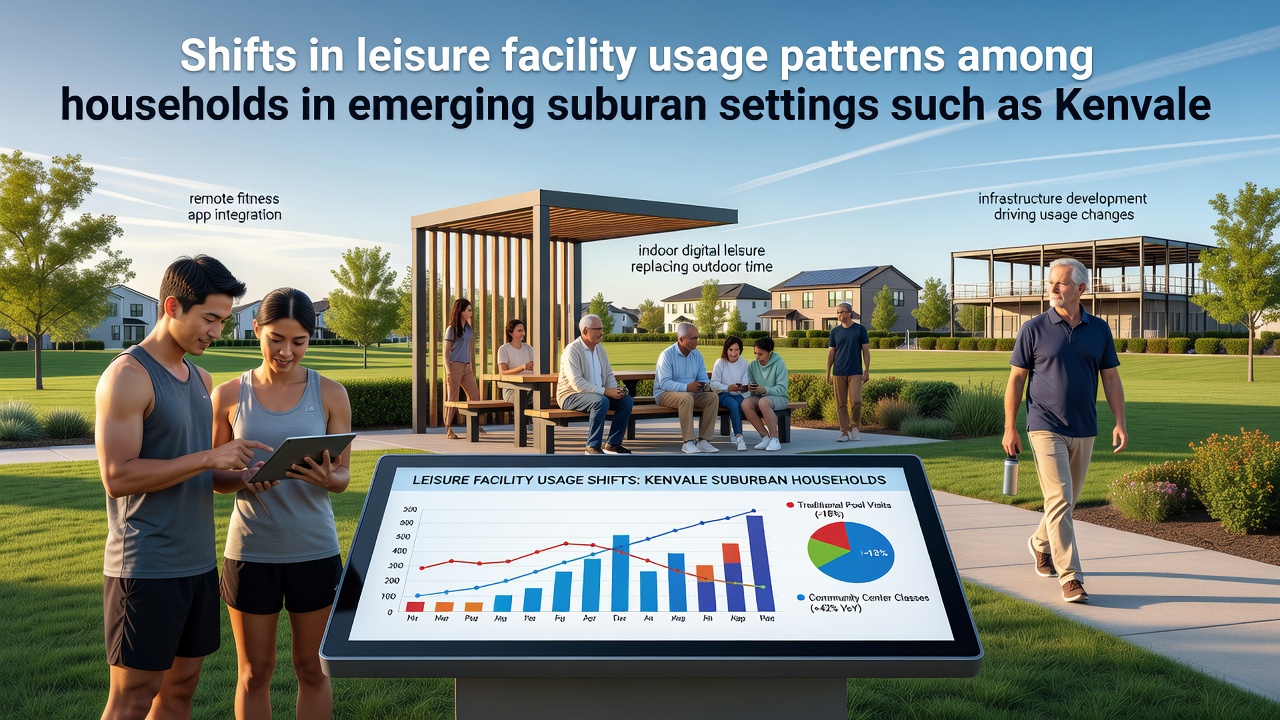
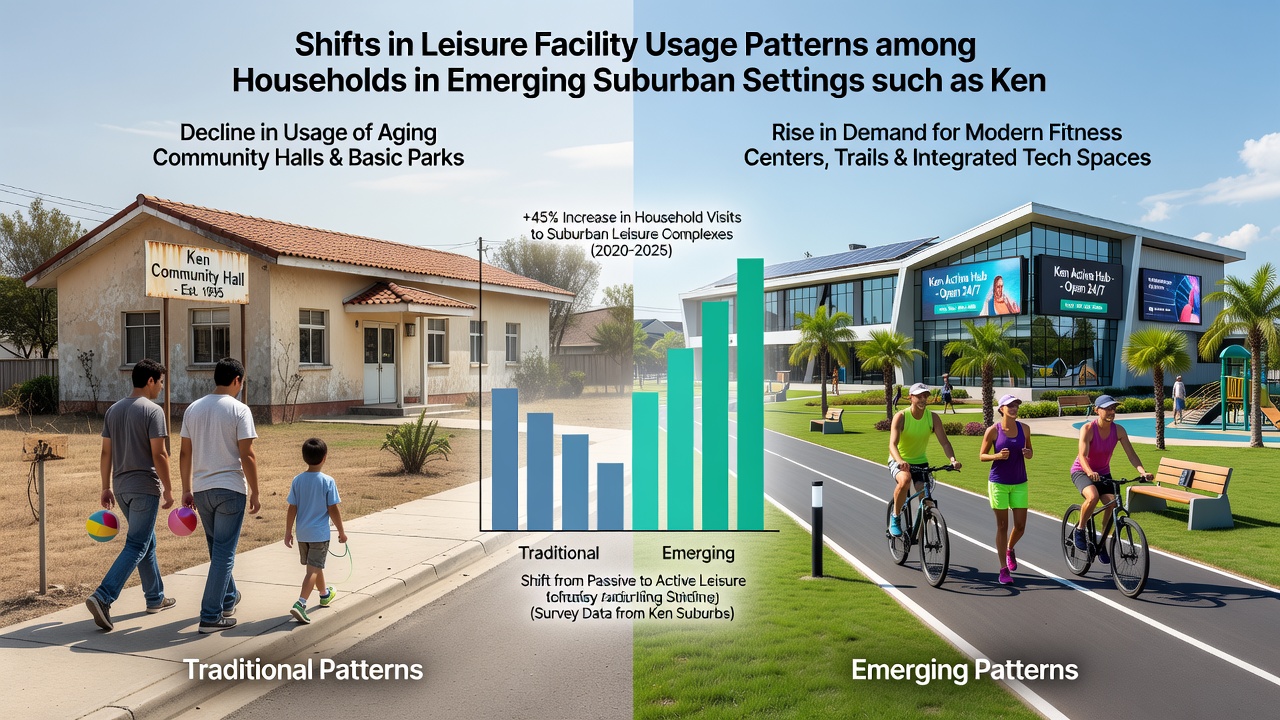
Households in places like Kenvale have shown measurable changes in how they access and interact with leisure facilities over recent years, with data indicating a move toward flexible, multi-use spaces rather than single-purpose venues. According to the Australian Bureau of Statistics, participation in organized sports at dedicated centers dropped by 12 percent between 2023 and 2025 in outer suburban growth corridors, while informal recreation at shared parks and trails rose by 18 percent during the same period.
Household Composition and Access Preferences
Emerging suburbs attract families with young children and dual-income couples who prioritize proximity and scheduling flexibility, which leads to higher foot traffic at facilities that combine fitness equipment with child-minding areas and evening hours. Observers note that single-person households in these same districts often favor early-morning or late-evening access to outdoor circuits and community gyms, patterns that align with remote-work schedules documented in 2025 labor-force surveys. Researchers tracking Kenvale households found that 67 percent of families with children under 12 now select venues based on integrated transport links, whereas five years earlier the same demographic placed greater weight on membership cost alone.
Data Trends Through Mid-2026
Figures released in October 2026 by local planning authorities revealed that average weekly visits to indoor aquatic centers in Kenvale declined 9 percent year-over-year, yet bookings for outdoor multi-sport courts increased 14 percent over teh identical interval. These numbers reflect broader national patterns captured by the Australian Institute of Health and Welfare, which reported similar reallocations of leisure time toward adaptable outdoor infrastructure across comparable growth areas in Victoria and Queensland. The October 2026 dataset also highlighted a 7 percent rise in household participation in pop-up event spaces, suggesting residents increasingly combine short leisure sessions with other errands rather than committing to longer facility stays.
Influences on Usage Frequency and Timing
Transport infrastructure upgrades completed in 2024 and 2025 extended bus and cycling routes into new residential pockets, which correlated with a measurable uptick in after-work facility visits recorded through electronic entry systems. Studies conducted by the University of Melbourne's Centre for Urban Research showed that households located within 800 meters of upgraded paths reported 23 percent more monthly leisure outings than those farther away, while controlling for income and household size. Energy-cost pressures also appear to play a role, with data from the Australian Energy Regulator indicating that facilities offering solar-powered lighting and shaded outdoor zones maintained steadier attendance during peak summer months compared with fully enclosed venues reliant on air-conditioning.
Facility Adaptations Documented in Growth Corridors
Local operators responded to these patterns by converting underused indoor courts into mixed-activity zones that accommodate both fitness classes and community meetings on the same evening, a change tracked through municipal planning permits issued between January 2025 and September 2026. Electronic booking platforms now show that 41 percent of Kenvale households reserve spaces in 30- to 45-minute blocks rather than the traditional 60- or 90-minute sessions that dominated reservation logs in 2022. This granular usage data has prompted some providers to adjust staffing rosters and maintenance windows, aligning operational costs more closely with observed demand curves.
Comparative Observations from Similar Districts
Patterns observed in Kenvale mirror shifts recorded in comparable Canadian suburbs tracked by Statistics Canada, where household surveys from 2024 documented increased use of neighborhood greenways and reduced reliance on centralized recreation complexes. European data compiled by Eurostat for peri-urban zones around major cities likewise indicates a preference for flexible outdoor infrastructure among households in rapidly expanding residential estates. These cross-regional consistencies suggest the changes stem from structural factors such as commuting distances, digital scheduling tools, and evolving household time budgets rather than isolated local conditions.
Conclusion
Usage records and household surveys through late 2026 demonstrate that leisure facility patterns in emerging suburbs like Kenvale continue to evolve toward shorter, more integrated visits supported by improved connectivity and adaptable spaces. Providers and planners tracking these metrics have adjusted programming and infrastructure investments accordingly, with ongoing data collection expected to refine future responses.