Petra Hartmann · 2 November 2026
Remote Work Trends Alter Daily Routines in Developing Suburban Neighborhoods
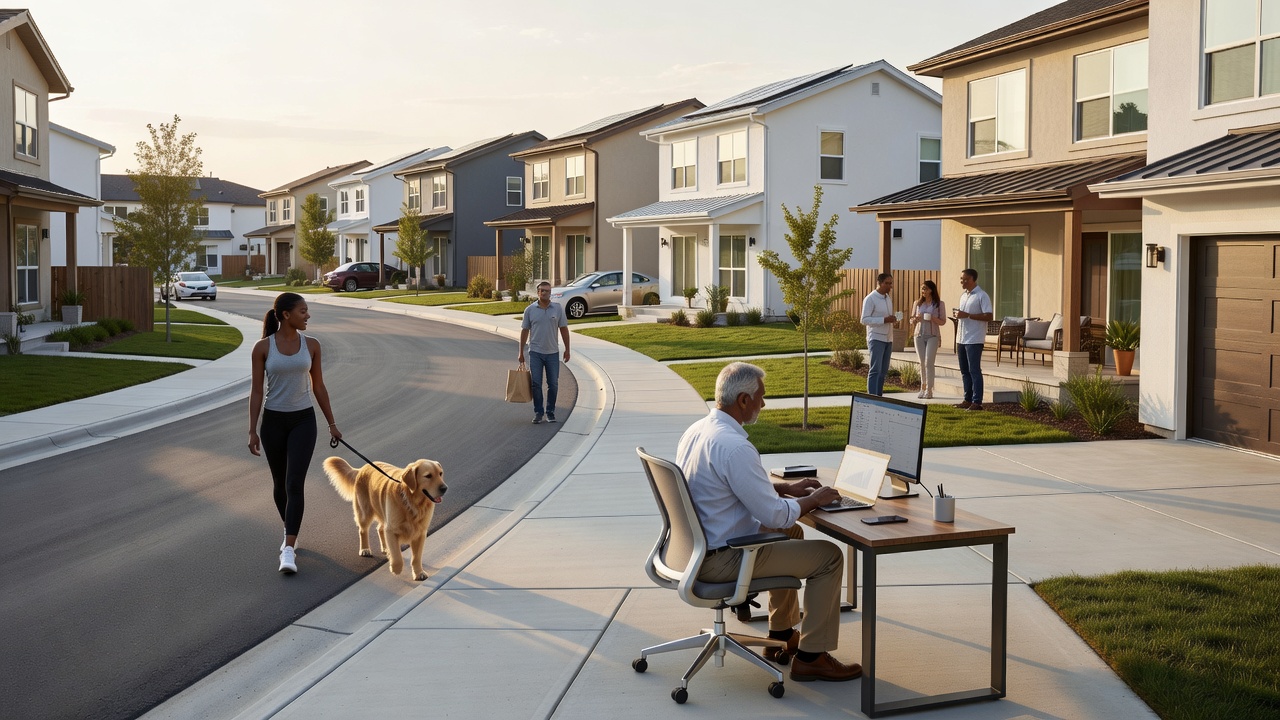
Remote work adoption continues to reshape how residents structure their days in expanding suburban areas, where housing developments attract families seeking space and affordability. Census data from multiple regions shows that the share of workers operating from home stabilized above 25 percent in many metropolitan outskirts by late 2025, with projections extending into November 2026 indicating further integration into local infrastructure planning. Those patterns affect everything from wake-up times to evening errands, as households replace long drives with flexible blocks of activity centered around home offices and neighborhood amenities.
Adjustments to Morning and Midday Schedules
Traditional rush-hour peaks have flattened in several growing suburbs, according to traffic volume reports compiled by regional transport agencies. Workers who once left homes before 7 a.m. now begin tasks at varied hours, often interleaving school drop-offs with video calls or quick household chores. Studies from the Australian Bureau of Statistics document a measurable rise in mid-morning visits to local grocery stores and coffee shops in outer-ring developments, as residents insert short breaks into their workflows. This redistribution spreads demand across longer windows rather than concentrating it during standard commuter periods.
Childcare arrangements have also evolved alongside these schedule changes. Parents coordinate virtual meetings around school calendars more frequently, leading some districts to expand after-school program hours to accommodate later pickups. Data from Statistics Canada indicates that households in newly built suburban tracts report an average 45-minute reduction in daily travel time, freeing segments that now fill with exercise, meal preparation, or part-time local employment.
Impacts on Neighborhood Services and Traffic Flow
Local businesses have recorded shifts in customer timing and volume. Retail corridors in developing suburbs experience steadier foot traffic throughout weekdays, with peaks moving toward late morning and early afternoon. Municipal records from several U.S. counties show increased permit applications for home-based business modifications, such as dedicated office additions or upgraded internet connections, reflecting sustained remote work arrangements. These adaptations alter how streets and parking lots function during what were previously quiet daytime hours.
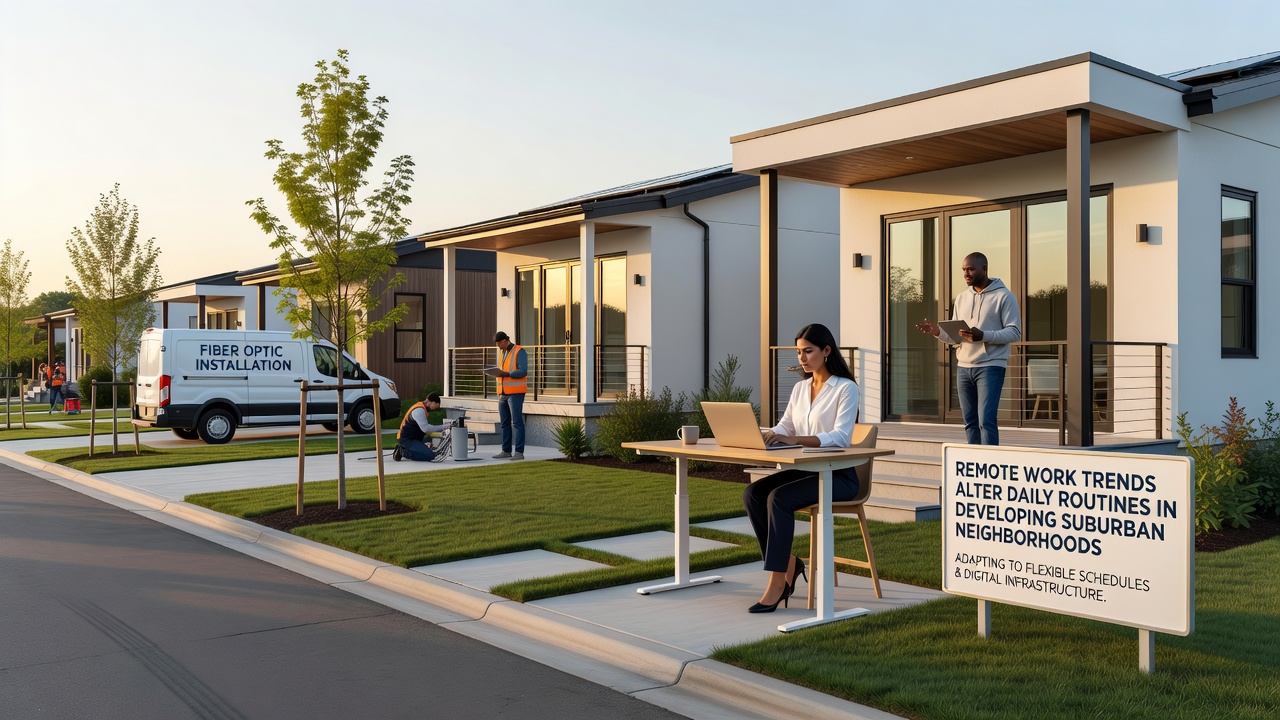
Utility consumption patterns provide another measurable indicator. Energy providers serving expanding residential zones report elevated daytime electricity draw in single-family homes, driven by consistent computer and climate-control use. Water and waste collection schedules have seen minor recalibrations in some communities to align with altered household activity rhythms. Observers note that these incremental changes accumulate across hundreds of new subdivisions, influencing broader service delivery models.
Evening and Weekend Routine Realignments
Commute-free evenings allow residents to participate in community events or local fitness classes at earlier times than before. Park usage data collected by city planning departments reveals higher attendance at weekday recreational programs, particularly in neighborhoods developed within the last decade. Families report consolidating errands into single outings that combine school activities with grocery runs, reducing overall vehicle trips per week. European Union labor surveys covering comparable suburban growth zones echo similar redistribution of leisure hours away from weekend-only windows.
Healthcare access follows parallel adjustments. Outpatient clinics in suburban corridors have extended telehealth options and adjusted in-person appointment blocks to match resident availability during traditional work hours. Research compiled by the OECD highlights how these service modifications reduce no-show rates in areas where remote workers constitute a growing share of the patient base.
Longer-Term Infrastructure Considerations
Planning documents released by multiple municipal governments project continued investment in neighborhood-scale amenities, such as co-working hubs and improved pedestrian paths, to support dispersed work patterns. Broadband expansion initiatives have accelerated in developing suburbs, with government reports documenting connection upgrades tied directly to employment surveys that list remote capability as a household priority. By November 2026, several pilot programs will evaluate whether these investments sustain the observed routine changes or require further tailoring.
Transportation modeling from academic institutions incorporates remote work percentages into forecasts for road maintenance and public transit routes. The resulting projections influence zoning decisions that prioritize mixed-use nodes within walking distance of residential clusters, altering how new subdivisions allocate space for retail and recreational facilities.
Conclusion
Remote work trends have produced measurable, ongoing modifications to daily sequences in developing suburban neighborhoods, documented through government statistics, traffic records, and service utilization data. These shifts extend across morning flexibility, midday local engagement, and redistributed evening activities, with infrastructure responses emerging in parallel. Continued monitoring through 2026 will clarify how enduring the current routine realignments become as suburban growth proceeds.